
What is Steam Early Access? How it works and when to buy
Steam Early Access lets you buy and play a game while the developer still works on it. You pay once, you get each update when it arrives, and you keep the game when it is finished. This guide explains the official Steam rules, the main risk, and a simple checklist to help you decide if you should buy.
What Early Access means on Steam
Valve started Early Access in March 2013. Valve describes Early Access games as games that change as you play them, as players give feedback, and as the developers add content. The game is not complete. It can have bugs, unfinished systems, and large changes from one update to the next.
Early Access is a full purchase, not a pre-order. You get a playable game on the day that you buy it. When the game leaves Early Access, you keep it, and you do not pay again for the full release.
Steam marks these games clearly. On the store page, a box with the title "Early Access Game" appears near the purchase button. It tells you that the game is not complete and may or may not change further.
The rules that developers must follow
Valve publishes rules for Early Access developers in its Steamworks documentation. These rules also protect you as a buyer. The most important ones are:
- The game must be playable at launch. Early Access is for games in a playable alpha or beta state. A tech demo is not enough.
- Early Access is not crowdfunding. Valve tells developers not to depend on Early Access sales to finish the game.
- No specific promises about the future. Developers must not ask you to buy a game because of features that may never arrive.
- No higher price on Steam. The Early Access price on Steam must not be higher than the price on other stores.
- A current store page. Developers must keep the store page correct, review it at least once a year, and post news for major updates or delays.
Valve also adds a notice to the store page if a game gets no update for 12 months. If you see this notice, be careful before you buy.
The six questions on every Early Access page
Each Early Access store page has a section with the title "What the developers have to say". There, the developer answers six questions. Steam shows them with this exact text:
- Why Early Access?
- Approximately how long will this game be in Early Access?
- How is the full version planned to differ from the Early Access version?
- What is the current state of the Early Access version?
- Will the game be priced differently during and after Early Access?
- How are you planning on involving the Community in your development process?
Read all six answers before you buy. The answer about the current state is the most important. It tells you what you get today, not what the developer hopes to add later.
Price changes during Early Access
Each developer chooses a price plan. Valve says that many developers start at a lower price and increase it as the game grows. Some developers start at a higher price instead. Valve asks developers to be clear about planned price changes, so look at the answer to the price question.
Valve also controls discounts. A developer cannot run a permanent discount during Early Access. A developer also cannot run a discount within 30 days after a price increase.
Refunds for Early Access games
The normal Steam refund rule also applies to Early Access games. You can request a refund within 14 days of purchase if you played for less than two hours. The Steam refund page says that all playtime in an Early Access game counts toward the two-hour limit.
Use your first two hours well. Check that the game runs correctly on your PC. Then check that you like the current version, not only the planned version.
The main risk: a game that is never finished
Valve warns that some teams will not finish their game. This is the main risk of Early Access. If a developer stops work, Valve gives the developer two options. The developer can keep the game on the store without the Early Access label. Or the developer can remove the game from Steam, and Valve may then offer refunds to buyers.
The advice in the Steam FAQ is simple: buy an Early Access game only if you want to play it in its current state.
A checklist before you buy
Do these steps before you buy an Early Access game:
- Watch the newest trailer and look at the screenshots.
- Ask yourself if you want to play the game as it is today.
- Read the answer to "What is the current state of the Early Access version?"
- Look at the dates of the updates in the news section of the store page.
- Read the recent user reviews, because old reviews can describe an old version.
- Look at the Steam discussions to see if the developer answers questions and bug reports.
- Compare the system requirements with your PC.
- Remember the refund limit: 14 days and less than two hours of playtime.
Who Early Access suits
Early Access suits you if you like to see a game grow, and if you want your feedback to shape it. The Steam FAQ lists ways to take part. You can give feedback, join discussions, post screenshots, write guides, and help find bugs. A clear review also helps, and our guide on how to write a helpful Steam review gives the steps.
If you want a finished game with few bugs, wait. Add the game to your wishlist instead. Steam sends a message to players with the game on their wishlist when it leaves Early Access. Our guide on how Steam wishlists help indie games explains this in more detail.
An example: Route 48
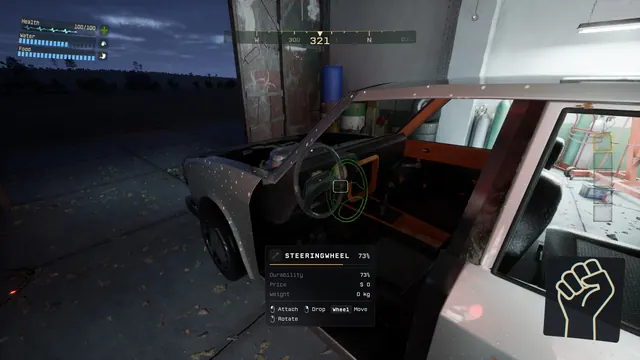
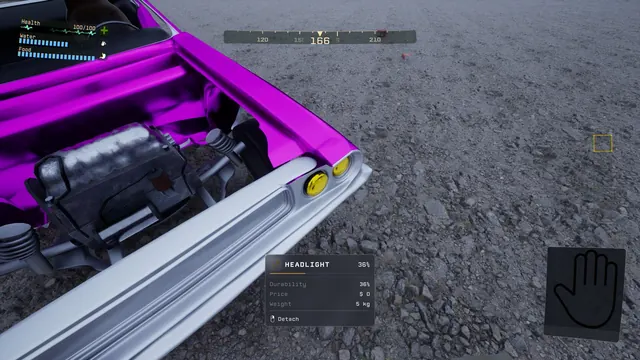
Our own game, Route 48, launched in Early Access on Steam on October 12, 2026. It is a first-person driving survival game for Windows PC. Early Access is planned for approximately one year. Player feedback will shape the vehicle physics, the procedural generation, and the gunplay balance. We plan to increase the price moderately as major features arrive.
To see what is in the game now and what is planned, read our Route 48 Early Access launch post.