
History of zombie video games, from 1984 to today
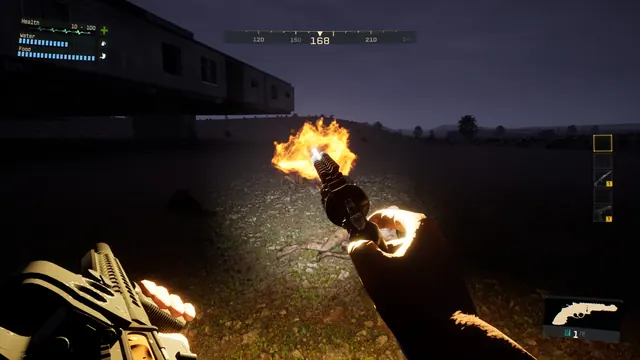
Zombie video games started in 1984 with Zombie Zombie on the ZX Spectrum. Since then, zombie games grew into survival horror, arcade shooters, co-op shooters, and large open survival worlds. This guide follows the key games in order, with a verified date for each, and explains what each one added.
The 1980s: the first zombie games
Zombie Zombie (1984)
Zombie Zombie came out in 1984 on the ZX Spectrum. Spaceman Ltd made it, and Quicksilva published it. Many sources call it the first video game with zombies. You are alone in a walled city full of zombies. You do not shoot them. Instead, you lure them off tall structures. The game used an isometric 3D view.
Sweet Home (1989)
Capcom released Sweet Home in 1989. It is a horror game, not a zombie game. But it is important, because it inspired Resident Evil. It had a limited inventory, a mansion to explore, puzzles, and endings that depend on which characters survive.
The early 1990s: horror and comedy
Alone in the Dark (1992)
Infogrames released Alone in the Dark for MS-DOS in 1992. Many people call it the first 3D survival horror game. It used fixed camera angles, a limited inventory, and puzzles. It put survival before combat. Shinji Mikami, the director of Resident Evil, later took its fixed camera system for his game.
Zombies Ate My Neighbors (1993)
LucasArts made Zombies Ate My Neighbors, and Konami published it in 1993 for the Super NES and the Sega Genesis. It is a comedy run-and-gun game for one or two players. Two teenagers save their neighbors from monsters out of horror films. In 2021, it came to Windows in a re-release.
1996: survival horror gets its name
Resident Evil (1996)
Capcom released Resident Evil for the PlayStation in March 1996. Shinji Mikami directed it. A Windows version followed. It was the first game that was called "survival horror", and it defined that genre. You explore a mansion with a limited inventory.
Resident Evil had an effect outside games too. It is credited with a return of zombies in popular culture from the late 1990s. More zombie films followed in the 2000s. It also helped change the cause of zombies in fiction from supernatural causes to science.
The House of the Dead (1996)
Sega AM1 made The House of the Dead, an arcade light gun game, in 1996. You hold a gun controller and shoot zombies on a fixed path. A Windows version came out in 1998. It offered fast arcade action, not slow horror.
The 2000s: sandbox, co-op, and new modes
Dead Rising (2006)
Capcom released Dead Rising for the Xbox 360 in August 2006. You are in a shopping mall full of zombies, with 72 in-game hours to survive. You can use more than 250 items as weapons, and many of them are everyday objects. A remaster came to Windows in 2016.
Left 4 Dead (2008)
Valve released Left 4 Dead in November 2008. Up to four players work together in a co-op campaign against the infected. Its "AI Director" watches each player and changes the number and position of enemies and items. So each game is different. Left 4 Dead 2 followed in November 2009.
Call of Duty: World at War, Nazi Zombies (2008)
Treyarch released Call of Duty: World at War in November 2008. When you finished the campaign, you unlocked a bonus mode, "Nazi Zombies". One to four players fight endless waves of zombies and repair barricades. It was the first Zombies mode in a Call of Duty game. It became a regular part of the later Treyarch games in the series.
Plants vs. Zombies (2009)
PopCap Games released Plants vs. Zombies in May 2009 for Windows and Mac. It is a tower defense game. You put plants on your lawn to stop lines of zombies. It brought zombies to a strategy game with a light, funny style.
The early 2010s: story and open-world survival
The Walking Dead (2012)
Telltale Games released the first episode of The Walking Dead in April 2012. It is an episodic adventure game. It is set in the world of the comic series by Robert Kirkman. Your choices change how the other characters treat you. The focus moved from the zombies to the people who survive them.
DayZ (2012 mod, 2013 Early Access)
In 2012, Dean Hall released DayZ, a mod for the military shooter Arma 2. It is set in Chernarus, a fictional country. You scavenge for food, water, weapons, and medicine, and other players can attack you at any time. The mod drew a very large audience. Bohemia Interactive then made a standalone version. It entered Steam Early Access in December 2013 and had its full release in December 2018.
The Early Access wave of 2013
Valve started Steam Early Access in March 2013. Many zombie survival games used it. Project Zomboid, by The Indie Stone, came to Steam Early Access in 2013. It is set in a fictional part of Kentucky in 1993, and it is still in Early Access. 7 Days to Die, by The Fun Pimps, entered Early Access in December 2013. It added crafting, base building, and a horde night every seventh day. Its version 1.0 came out in July 2024.
State of Decay (2013)
Undead Labs released State of Decay for the Xbox 360 in June 2013, and for Windows later that year. You lead a small group of survivors in an open world. You choose a home base, scavenge for supplies, and use cars that can take damage. This game made the community, not one hero, the center of zombie survival.
The mid and late 2010s: first person and open roads
Dying Light (2015)
Techland released Dying Light in January 2015. It is a first-person game with parkour movement. In the day, zombies are slow. At night, they become much faster and more dangerous. A four-player co-op mode is also included. Dying Light 2 followed in February 2022.
Days Gone (2019)
Bend Studio released Days Gone for the PlayStation 4 in April 2019, and for Windows in May 2021. It is a third-person open-world game. Your motorcycle uses fuel, and you repair it with scrap. Large hordes of infected chase you, so you must keep your distance.
What changed over 40 years
When you look at the whole history, you can see a few clear trends:
- From arcade action to survival. Many early games were action games. Later games added hunger, injuries, fuel, and limited supplies.
- From fixed levels to open worlds. Mansions and malls became cities, counties, and endless maps.
- From set enemies to systems. The AI Director in Left 4 Dead and random worlds made each game session different.
- Solo and co-op, side by side. Co-op games grew, but single-player zombie games did not go away.
- The vehicle as a survival tool. State of Decay and Days Gone made cars and bikes part of survival, not only transport.
Where zombie games are today
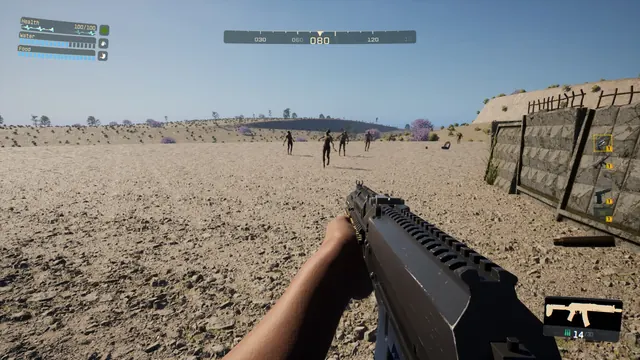
Today, zombie games cover almost every genre: shooters, survival sims, strategy games, and story games. Our own game, Route 48, launched in Early Access on Steam in October 2026. It is a first-person driving survival game. You drive through a procedurally generated open world, fight zombies and armed survivors with guns, and maintain your car.
To find your next zombie game, read our lists of the best open-world zombie games, the best zombie driving games, and games like Project Zomboid.