
Survival game tips for beginners: simple steps that work
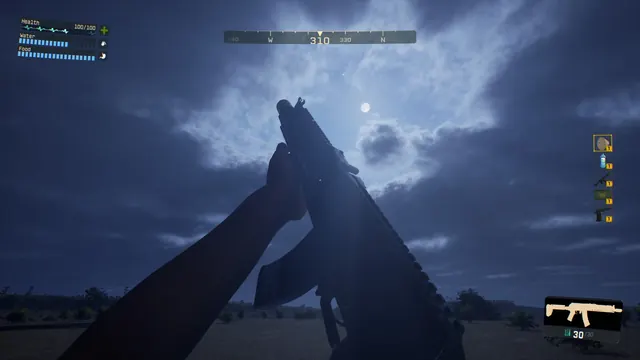
These survival game tips work in most survival games, from zombie sandboxes to driving survival games. The short version: learn the meters, secure food and light early, choose your fights, look after your tools, and learn from each death. Each section below gives you short steps to follow.
Before you start
- Play the tutorial if the game has one.
- Choose an easy or normal difficulty for your first world.
- Learn the keys to eat, heal, and repair before you leave the start area.
- Find out if death is permanent in your game mode.
Why this matters: survival games often explain very little. A few minutes in the menus can save a lot of lost progress. For an overview of the systems, read survival game mechanics explained.
Your first hour
Warning: in some games, the dark can kill you. In Don't Starve, an invisible threat called Charlie attacks you when the screen is dark. So step 4 is not optional.
- Find out which meters drop over time, such as hunger, thirst, or stamina.
- Find water and food before you explore far.
- Pick one safe place to come back to.
- Find or make a light source before the first night.
- Save often, if the game lets you.
Why this matters: the first hour sets up the rest of the game. A small stock of food and a light let you explore with less risk.
Loot with a plan
- Decide what you need before you go into a building.
- Search the rooms in a fixed order, so you do not miss one.
- Take small, valuable items first.
- Leave heavy items with low value behind.
- Keep one free inventory space for a surprise find.
- Remember which places you already searched.
A full bag at the wrong moment is a common problem. If you must choose, take what keeps you alive tonight, not what may be useful next week.
Choose your fights
Caution: in many survival games, noise brings enemies. In Project Zomboid, for example, a car alarm can attract zombies to you.
- Ask what a fight gives you before you start it.
- Avoid a fight when your health or stamina is low.
- Fight near an exit, not in a dead end.
- Use quiet methods when the game punishes noise.
- Walk away early when a fight goes badly.
A retreat is not a loss. In many games, a dead character drops or loses what it carries.
Look after your tools and your vehicle
- Repair your main tool or weapon before it breaks.
- Carry a spare of your most important item.
- Check your fuel before every trip.
- Plan the fuel for the return trip, not only the trip out.
- Fix small damage before it becomes large damage.
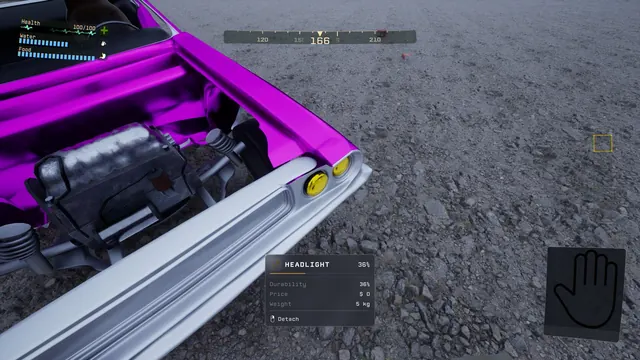
In driving survival games, the vehicle is your most important tool. In Route 48, our game, you manage your fuel and repair damaged parts to keep your car on the road. A broken vehicle can mean the end of your journey, so check the car before a long drive.
Manage your time
- Learn how long a day lasts in your game.
- Start long trips early in the day.
- Go back to your safe place before night, if nights are dangerous.
- Use the time at your safe place to repair gear, sort your inventory, and plan the next trip.
In many survival games, time is a resource, like food or fuel. A trip that starts late can end in the dark, far from safety.
When things go wrong
Warning: with permadeath, one bad decision can end the whole game. In Minecraft Hardcore mode, after you die, you must delete the world or continue as a spectator.
- Stop and look at all of your meters.
- Fix the meter that is closest to zero first.
- Leave the dangerous area before you try to recover.
- Use your best medical item only when you really need it.
- Accept a small loss to avoid a large one.
Learn from each run
- Ask what killed you, and why.
- Change one habit in your next run.
- Try a new world or a new seed to practice new situations.
- Watch how experienced players start a new game.
Many survival games generate a new world each time. So the best skill is not to remember a map, but to read a new one fast. See the best procedurally generated survival games for games that test this skill.
Mistakes to avoid
- Do not explore too far on the first day.
- Do not fill your bag with low-value items.
- Do not ignore durability until a tool breaks.
- Do not start a fight that gives you nothing.
- Do not forget the trip home.
Where to go next
Pick a game that suits how you want to learn. A single-player game lets you learn without pressure from other players, and nobody can steal your loot. Our list of the best single-player survival games is a good place to start.