
Survival game mechanics explained: hunger to permadeath
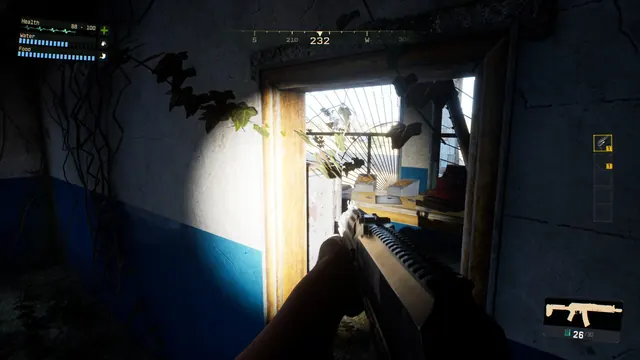
Most survival games use the same small set of mechanics: hunger, health, stamina, durability, fuel, inventory, and permadeath. Each one is a resource that runs out, and the game asks you to manage them together. This guide explains each mechanic with examples from real games.
The mechanics at a glance
| Mechanic | What it tracks | What happens at zero |
|---|---|---|
| Hunger and thirst | Food and water in your body | Your health usually drops |
| Health | How much damage you can take | You die |
| Stamina | Short bursts of effort | You must stop and recover |
| Durability | The condition of tools and gear | The item breaks |
| Fuel | Energy for vehicles and machines | The machine stops |
| Inventory | What you can carry | You must leave items behind |
| Permadeath | The cost of death | The run or the save ends |
Hunger and thirst
Hunger is a meter that drops over time. You refill it with food. Some games add thirst, which works in the same way with water.
- In Minecraft survival mode, you eat to refill a hunger bar. Your health only regenerates when the bar is almost full.
- In Don't Starve, hunger is one of three gauges, with health and sanity.
- In The Long Dark, you track calories, and you also manage body temperature and fatigue.
Why games use it: hunger forces you to leave a safe place. Without it, you could hide forever.
Health
Health shows how much damage you can take before you die. Many games make it deeper than one bar.
- In The Long Dark, you must treat illness and injuries such as frostbite or broken ribs.
- In Valheim, food raises your maximum health and stamina. So a good meal before a fight matters.
Why games use it: health turns each fight into a cost. Even a win can leave you weak for the next danger.
Stamina
Stamina is a short-term meter for effort. In Valheim, the stamina bar drains when you run and attack. When it is low, you must slow down and wait.
Why games use it: stamina puts a limit on how far you can run. It also makes fights about when you act, not only how fast you press buttons.
Durability
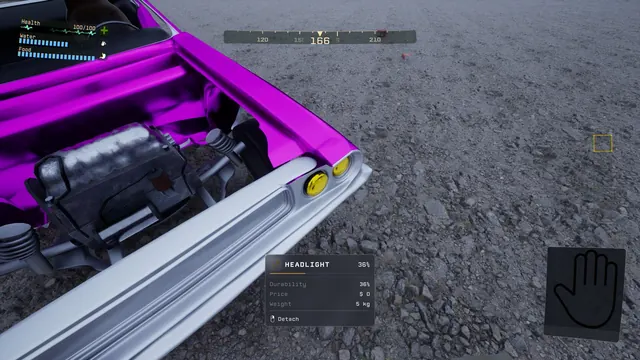
Durability is the condition of an item. Each use wears it down, and at zero the item breaks or becomes useless.
- In Minecraft, tools, weapons, and armor lose durability when you use them. You can repair them on an anvil, or combine two damaged items in the crafting grid.
- In The Long Dark, items have a condition from 100% to 0%. Tools wear down with use, and food and clothes lose condition over time.
In driving survival games, the car has durability too. In Pacific Drive, the car takes heavy damage on each trip, and you repair parts and craft new body panels. Read car parts explained for gamers to learn what those parts do in a real car.
Why games use it: durability makes you leave your shelter again for materials. It also makes a good tool feel valuable.
Fuel
Fuel works like hunger for machines. When it runs out, the vehicle or the generator stops.
- In Mad Max, you need gasoline to drive, and you can carry only one jerrycan at a time.
- In Days Gone, you refuel your motorcycle at gas stations and camps.
- In Project Zomboid, the gas pumps stop when the power fails. Then you siphon fuel from other cars or power a pump with a generator.
- In Route 48, our game, you scavenge for fuel and manage it to keep your car on the road.
Why games use it: fuel puts a limit on distance. Every trip becomes a question: will the loot at the end pay for the fuel to get there?
Inventory
Your inventory limits what you can carry. Most games use one of two systems:
- Slots: each item, or each stack of items, takes one space.
- Weight: each item has a weight, and too much weight slows you down or stops you.
In The Long Dark, weight is one of the things that you must manage. Vehicles often add more space. In 7 Days to Die, vehicles have their own storage.
Why games use it: a full bag forces hard choices. You must decide what is worth the space.
Permadeath
Permadeath means that death is permanent. The run ends, or the save is deleted.
- Rogue (around 1980) used permadeath so that each action of the player has weight.
- In Don't Starve, death is permanent, except when you use a few rare or expensive items.
- In Minecraft, Hardcore mode adds permadeath.
- In The Long Dark, death ends a Survival mode game. A later expansion added an optional way to return from death a limited number of times.
- NEO Scavenger has one difficulty level, and it uses permadeath.
Some games soften permadeath with progress that carries over. In Death Road to Canada, you earn points that buy permanent upgrades for future trips.
Why games use it: permadeath makes every risk real. It also makes a long survival feel like a true success.
How the mechanics work together
The mechanics are strongest in combination. For example, you leave your shelter because food is low. The trip uses stamina and fuel. A fight costs health and wears down your weapon. Then a full inventory makes you leave loot behind. If death is permanent, each of these small choices matters more.
Good survival games tune these meters so that you always have one problem to solve, but rarely five at once.
A quick checklist for a new survival game
- Find out which meters the game uses.
- Learn what happens when each meter reaches zero.
- Check if death is permanent before you take a big risk.
- Learn how to repair your most important item.
For practical advice, read our survival game tips for beginners. For games that show these mechanics well, see the best single-player survival games.